


Description
The Benefits of a 90-Minute Massage
Choosing the right length for a massage can significantly influence both the experience and the results. While shorter sessions might seem convenient, investing in a full 90-minute massage unlocks deeper levels of relaxation and more targeted relief, especially for those who carry chronic tension or need comprehensive care. This chapter explores why a 90-minute session is often considered the ideal duration for maximizing benefits, setting the foundation for understanding how longer massages can transform your well-being.
The Power of Time
A typical 60-minute massage offers many benefits—relaxation, improved circulation, reduced stress—but it often leaves certain areas only partially addressed. A full hour may be enough to cover basic needs or to give yourself a quick break during busy days. Yet, when your goal is to truly unwind or target persistent issues like muscle knots or chronic stiffness, an extra half-hour makes all the difference.
In a 90-minute session, there’s sufficient time to work more thoroughly on problem areas while still allowing periods of genuine relaxation. It’s akin to giving your body an extended invitation to relax deeply rather than just skimming over surface tensions. The added time allows therapists to go beyond superficial techniques and delve into deeper layers of muscle tissue that are often neglected in shorter sessions.
Deep Relaxation and Mental Calm
One of the most immediate benefits of longer massages is profound relaxation—not just physically but mentally as well. As tension melts away from muscles that have held stress over days or even years, clients frequently report feeling calmer and more centered afterward. This mental shift isn’t accidental; it results from sustained touch that activates your parasympathetic nervous system—the part responsible for rest and recovery.
In shorter massages, there’s often limited time for this calming effect to fully take hold because therapists are focused on quick relief rather than complete unwinding. With 90 minutes at hand, you give yourself permission—and opportunity—to truly disconnect from worries and experience genuine mental clarity alongside physical ease.
Addressing Chronic Issues
Many people suffer from ongoing problems like neck stiffness, back pain, shoulder tightness, or general muscular tension that has built up over months or years. Such conditions rarely resolve with brief treatments alone; they require consistent pressure applied over enough time to loosen stubborn knots and release tight fascia (the connective tissue surrounding muscles).
A longer session enables targeted work on these chronic issues without rushing through techniques that could be ineffective if performed too quickly or superficially. For example, deep tissue therapy aimed at releasing long-standing knots in your upper back can be more effective when given adequate time—allowing therapists to gradually break down adhesions without causing unnecessary discomfort.
Enhanced Blood Flow & Tissue Receptivity
Another advantage lies in preparing tissues for effective treatment. During a lengthy massage session, gentle warm-up movements help increase blood flow throughout muscles and soft tissues before applying deeper techniques. This process makes tissues more receptive by loosening tight fibers gently first—much like warming up before exercise—so subsequent pressure penetrates more effectively with less pain or discomfort.
This gradual approach not only improves immediate outcomes but also encourages faster recovery afterward because tissues have been conditioned appropriately during treatment—not subjected abruptly to intense manipulation which could cause soreness or strain.
Creating Space for Personalization
Every individual’s body is unique; some areas might need extra attention due to recent injuries while others may simply carry habitual tension patterns. A longer massage provides flexibility for therapists to tailor their approach dynamically based on real-time feedback from clients’ responses during the session.
They can adjust pressure levels accordingly—deepening where necessary while easing off elsewhere—to ensure comfort remains paramount throughout the treatment process. This personalized care amplifies effectiveness because it addresses specific needs comprehensively rather than applying generic routines designed around fixed time slots.
An Investment in Well-Being
While cost considerations are valid—at around $120 per session—a 90-minute massage offers outstanding value by delivering sustained relief and relaxation that extends well beyond the appointment itself. Many clients find that these sessions reduce their overall stress levels significantly; they leave feeling refreshed physically and emotionally ready to face daily challenges anew.
Moreover, regular longer treatments can contribute positively toward managing ongoing health concerns such as chronic pain conditions or postural imbalances by maintaining flexibility and reducing muscular restrictions over time.
Preparing Yourself Mentally & Physically
To maximize benefits from a lengthy massage session like this one described in “The 90-Minute Massage,” it helps if you come prepared mentally as well as physically:
- Hydrate adequately before your appointment so tissues are primed for optimal circulation.
- Wear comfortable clothing if possible; many spas provide gowns but loose attire facilitates easier movement.
- Communicate openly with your therapist about specific concerns so they can customize techniques accordingly.
- Arrive early enough so you’re relaxed upon starting—the transition into deep relaxation begins even before touch occurs when you’re calm environment-wise.
Preparing Your Body: The Initial Consultation and Warm-Up
When you arrive for a 90-minute massage, the experience begins well before the actual hands-on work. The initial phase of your session—starting with a brief consultation and gentle warm-up—is crucial for setting the stage for effective treatment. This preparatory stage ensures that your massage is tailored to your specific needs and maximizes the benefits of longer, more comprehensive work.
The first step in this process is the consultation. Even if you’ve had previous massages, sharing current concerns helps your therapist understand precisely what areas need attention. Whether you’re dealing with persistent neck stiffness, lingering back tension, or general feelings of stress and fatigue, communicating these issues allows for a customized approach. During this conversation, you might discuss recent activities that may have contributed to muscle strain—such as intense workouts or prolonged sitting—and any particular discomforts you experience throughout the day.
This dialogue also includes an assessment of your overall health status. For instance, if you have chronic conditions like arthritis or recent injuries, informing your therapist ensures they can adapt techniques accordingly. Additionally, discussing preferences regarding pressure levels—whether gentle soothing strokes or deeper targeted work—helps create a comfortable environment where relaxation can flourish.
Once your concerns are acknowledged and understood, the therapist moves on to prepare your body physically through a gentle warm-up. This phase isn’t about deep massage yet; instead, it involves light movements designed to increase blood flow within muscles and tissues gradually. Think of it as waking up the muscles gently so they’re more receptive to subsequent deeper techniques.
Typically, this warm-up might include slow arm swings, neck rotations with minimal resistance, shoulder rolls, or light tapping along muscle groups. These movements serve multiple purposes: they loosen tight muscles slightly before more intensive work; stimulate circulation; reduce initial tension; and help you become aware of areas where discomfort persists. For many clients new to massage therapy—or even seasoned ones—the awareness gained during this phase enhances relaxation by shifting focus away from tension into a state of openness.
The benefits of this preparatory step extend beyond physical readiness as well. It creates a calming mental space in which clients can begin to let go of daily stressors and tune into their bodies’ sensations. When combined with deep breathing exercises—often encouraged during warm-up—the result is an immediate sense of grounding that enhances overall relaxation.
Importantly, this initial contact sets expectations for both client and therapist about how much pressure is comfortable at each stage and which areas require special attention later on. It’s during these moments that trust is built—a fundamental component for an effective 90-minute session where longer durations allow therapists to explore deeper layers within muscles while maintaining client comfort.
In addition to physical preparation and communication about goals or concerns, some therapists incorporate subtle assessments during warm-up movements themselves—for example: checking joint mobility or observing how certain areas respond when lightly touched or moved—which informs how they proceed with targeted techniques later in the session.
Another aspect often overlooked is posture awareness at this early stage. Your therapist may observe how you hold yourself during these initial movements—are shoulders hunched? Is there noticeable tightness along certain muscle chains? Such observations help identify postural patterns contributing to chronic tension issues like neck stiffness or lower back pain—a common reason many seek out extended massages in pursuit of lasting relief.
By investing time upfront in consultation and gentle warming efforts—even within just ten minutes—you lay down essential groundwork for an effective treatment plan tailored specifically for you. This approach recognizes that each individual’s body has unique needs: some may require focused deep tissue work on stubborn knots; others might benefit from extensive relaxing strokes combined with specific stretches later on.
Furthermore, taking care during these starting moments respects the natural rhythm needed for true relaxation—a necessary precursor before engaging in deeper techniques that could otherwise feel abrupt or overwhelming without proper preparation.
In summary: Preparing your body at the start of a 90-minute massage involves thoughtfully combining clear communication about personal needs with gentle physical warm-up exercises designed to enhance circulation and responsiveness. This foundational step not only makes subsequent treatments more effective but also fosters emotional comfort by establishing trust with your therapist from the outset.
Remember that every minute invested here contributes significantly toward achieving maximum benefit from what will be a deeply restorative experience—a core principle woven throughout “The 90-Minute Massage.” By understanding how proper preparation primes both mind and body before diving into profound relaxation techniques, you’ll fully appreciate why lengthening beyond shorter sessions offers such substantial rewards when approached thoughtfully from moment one onward.
The Core Treatment: Techniques That Release Tension and Promote Relaxation
Once the initial consultation has been completed and the body warmed up with light movements, the core of a 90-minute massage begins. This is where skilled hands work intentionally to dissolve tension, improve mobility, and induce deep relaxation. A well-structured combination of techniques ensures that every layer of muscle—superficial or deep—is addressed thoroughly, providing both immediate relief and long-term benefits.
Deep tissue work forms the foundation of this core phase. It involves applying firm pressure to reach beneath surface muscles into the layers of fascia and connective tissue that often hold persistent knots or areas of chronic tension. These knots, known as adhesions or trigger points, can cause localized pain or refer discomfort to other parts of the body. Through slow, deliberate strokes using elbows, forearms, or knuckles—techniques that require precision—therapists break down these adhesions gradually. This process not only alleviates pain but also restores proper muscle function by improving blood flow and oxygen delivery to affected tissues.
Swedish massage strokes are also integrated into this phase for their relaxing qualities and overall circulation benefits. Gentle gliding movements—effleurage—combined with kneading (petrissage), tapotement, friction, and vibration serve to soothe tense muscles while promoting lymphatic drainage. These lighter techniques help loosen superficial layers after deeper work has been performed, easing clients into a state of calm while encouraging healthier circulation throughout the body.
Trigger point therapy is another vital component in addressing specific problem areas. Trigger points are hyperirritable spots within tight bands of muscle fibers that can cause sharp pain when pressed or referred pain elsewhere in the body. By applying sustained pressure directly onto these points—a method often called ischemic compression—the therapist encourages these knots to relax and release their hold on surrounding tissues. Clients often report significant relief from localized discomfort after targeted trigger point work.
Complementing these methods is myofascial release therapy—a technique focused on freeing restrictions in fasciae, which are dense connective tissues enveloping muscles and organs alike. Fascia can become tight due to injury, poor posture, emotional stress—or simply neglect over time—leading to decreased mobility and chronic discomfort. Using gentle sustained pressure along specific lines or areas allows therapists to stretch fascial restrictions carefully without causing unnecessary pain. The result is improved flexibility across joints and muscles as well as an overall sense of ease in movement.
Throughout this core treatment phase, each technique serves a distinct purpose but works synergistically towards releasing tension at different depths within your musculature system. For example:
- Deep tissue work targets stubborn knots deep inside muscles.
- Swedish strokes promote relaxation across larger surface areas.
- Trigger point therapy addresses pinpointed sources of pain.
- Myofascial release eases restrictions in connective tissue for better mobility.
By combining these approaches thoughtfully during a 90-minute session—not rushing through any one step—the therapist ensures comprehensive care tailored specifically to your needs.
It’s important for clients to understand that this multifaceted approach isn’t just about temporary relief; it’s about fostering lasting change within your musculoskeletal system. Releasing deep-seated tension improves posture alignment over time; reducing chronic discomfort helps you move more freely; calming nervous system responses diminishes stress both physically and emotionally—all contributing factors aligned with what “The 90-Minute Massage” aims for: total relaxation paired with effective resolution of stubborn issues.
Another key aspect during this core treatment is communication between client and therapist regarding sensations experienced throughout each technique application—they should feel safe enough to express comfort levels or indicate areas needing gentler attention if necessary. This partnership ensures that every stroke is effective without causing undue distress—and allows adjustments on-the-fly based on how your body responds.
In addition to manual techniques alone, therapists may incorporate some passive stretching during this phase if appropriate—gentle elongations aimed at relieving muscular tightness further enhances flexibility gains made earlier in the session’s warm-up stage—and prepares your body for post-massage cool-down activities like stretching afterward.
Ultimately, this central part of your massage session embodies a deliberate effort by skilled hands working cohesively across multiple modalities designed not only for immediate relief but also for building resilience against future strainors—making each 90-minute investment an essential step toward long-term wellness goals such as improved posture correction or reduction in chronic neck stiffness discussed elsewhere in this book.
Enhancing Relaxation with Aromatherapy
In the pursuit of total relaxation and therapeutic benefit, many clients find that incorporating aromatherapy into their massage session elevates the experience to a new level. Aromatherapy, the use of essential oils derived from plants, flowers, and herbs, has been practiced for centuries to promote physical healing and emotional well-being. When thoughtfully integrated into a 90-minute massage, aromatherapy can not only deepen relaxation but also enhance pain relief and mood stabilization.
Imagine walking into a treatment room where the air is subtly infused with calming scents or invigorating aromas—this sensory addition primes your mind and body for treatment. For many clients, this small but powerful enhancement transforms an ordinary massage into an immersive experience that nurtures multiple senses simultaneously. It’s not just about scent; it’s about creating an environment conducive to healing on both physical and emotional levels.
Choosing the right essential oils depends greatly on individual preferences and specific needs. For instance, eucalyptus oil is renowned for its refreshing aroma that opens up airways and eases breathing. It can be particularly beneficial if you tend to feel congested or want a mental boost during your session. Peppermint oil offers a cooling sensation with an invigorating scent that helps alleviate tension headaches or muscular fatigue. Lavender is perhaps the most popular for relaxation—its soothing fragrance reduces stress levels, promotes restful sleep, and calms anxious thoughts.
During your session, your massage therapist will work closely with you to select oils aligned with your goals. Some clients prefer scents purely for their aromatic qualities; others seek additional therapeutic benefits such as anti-inflammatory properties or muscle soothing effects. The oils are typically diffused gently in the room or applied topically in diluted form during massage strokes—never directly onto skin without proper dilution unless specified by safety guidelines.
The application process itself can be tailored creatively within the session framework. For example, some therapists incorporate aromatic compresses using warm towels infused with essential oils placed on muscles needing extra attention. Others might add drops of oil to lotion or massage oil blends used during deep tissue work or Swedish strokes. This ensures that every part of the massage enhances not only muscular relief but also emotional calmness.
Beyond simply smelling good, essential oils influence our limbic system—the brain region responsible for emotions—which means they have real psychological effects. Scents like chamomile help foster tranquility; ylang-ylang encourages feelings of happiness; citrus aromas like orange uplift mood while reducing stress hormones such as cortisol.
It’s important to note that aromatherapy should always be used thoughtfully—some individuals may have allergies or sensitivities to certain scents. Your therapist will inquire about any known sensitivities before recommending specific oils or applying them in treatments. Additionally, pure essential oils are potent; they should be used in appropriate dilutions to prevent skin irritation or adverse reactions.
The benefits of combining aromatherapy with a 90-minute massage extend beyond immediate relaxation—they can contribute significantly to long-term wellness routines if integrated regularly at home as well as professionally administered sessions like ours here at Anthony’s clinic. Many clients report feeling calmer during their day after sessions scented with lavender or peppermint; others notice improved sleep quality when massaged with calming aromas before bedtime.
Furthermore, aromatherapy adds an element of personalization often missing from traditional massages focused solely on physical manipulation. By selecting scents tailored specifically for you—whether it’s energizing lemon zest after a stressful week or soothing rosewood following a long day—you connect more deeply with your treatment experience.
Integrating aromatherapy into your 90-minute massage offers more than just pleasant fragrances—it amplifies relaxation responses within your body and mind while supporting targeted relief from discomforts such as muscle tension and emotional stressors alike. When combined thoughtfully under professional guidance at Anthony’s clinic, this holistic approach creates an environment where healing occurs naturally through all senses involved.
As you consider booking your next session—or perhaps planning ongoing treatments—you might reflect on which scents resonate most deeply with you personally—and how these aromatic companions could help unlock even greater benefits from each visit through enhanced comfort and emotional balance.
Post-Session Care: Cool-Down & Stretching for Lasting Benefits
After a comprehensive 90-minute massage, the experience doesn’t end when the therapist’s hands leave your body. Instead, the final moments of your session are just as important as the initial consultation or the deep tissue work. This phase, often overlooked, is crucial for ensuring that you carry forward the benefits of your treatment—maintaining flexibility, reducing soreness, and prolonging that sense of calm and relaxation. In this chapter, we will explore why gentle cool-down techniques and stretching are essential components of a successful massage experience and how they help maximize your overall well-being.
Understanding the Cool-Down Phase
Think of your body like a finely tuned instrument. During a massage, especially one lasting 90 minutes, muscles are gently worked to release tension and improve circulation. As you relax into this state of heightened awareness and physical ease, it’s vital to give your body time to adjust gradually before returning to everyday activities.
A proper cool-down phase allows blood flow to normalize after enhanced circulation during treatment. It also helps prevent dizziness or lightheadedness that can sometimes occur after deep work or intense muscle manipulation. Moreover, taking time to stretch lightly encourages muscles to settle into their new lengthened state rather than tightening back up immediately.
The Benefits Are Wide-Ranging
Engaging in gentle post-massage stretches offers several tangible benefits:
- Maintains Flexibility: Regular stretching helps retain the improved range of motion achieved during therapy sessions. Without this reinforcement, muscles may revert quickly to their previous tightness.
- Reduces Soreness: Light stretching promotes blood flow into sore areas, aiding in faster recovery by delivering nutrients necessary for tissue repair while flushing out metabolic waste products.
- Prolongs Relaxation: The calm state induced by massage can be extended through mindful breathing and gentle movement—helping you feel more centered long after leaving the treatment room.
- Supports Posture Improvement: Especially if your massage addressed chronic tension caused by poor posture or repetitive strain habits; stretches reinforce better alignment over time.
- Enhances Emotional Calmness: The mental tranquility cultivated during relaxation can deepen with calming stretches combined with focused breathing exercises.
Implementing Effective Cool-Down Techniques
When it comes to cooling down after a 90-minute session with Anthony’s team—or any professional therapist—simplicity is key. Your goal should be gentle movements that do not strain or cause discomfort but instead encourage relaxation and mobility.
Some effective techniques include:
- Deep Breathing Exercises: Sit comfortably or lie down for a few minutes focusing on slow inhalations through your nose followed by gentle exhalations through your mouth or nose. This practice enhances oxygen intake and helps stabilize heart rate while reinforcing feelings of calmness established during therapy.
- Neck Rolls & Shoulder Shrugs: Gently roll your head side-to-side in slow circles; shrug shoulders up towards ears then release downward slowly—these movements loosen residual tension without overexertion.
- Wrist & Ankle Rotations: Small circular motions at wrists and ankles facilitate joint mobility — particularly beneficial if you’ve worked on upper back or neck areas where these joints often hold tension from posture issues.
Remember: Always listen to your body; avoid overstretching or forcing movements beyond comfort levels.
Light Stretching Routines for Lasting Results
In addition to simple cool-down exercises, incorporating specific stretches tailored toward common problem areas can significantly extend benefits gained from your massage:
Neck Stretches
Gently tilt head toward each shoulder holding briefly on each side—no pain allowed here! This alleviates lingering stiffness in neck muscles often affected by stress or prolonged computer use.
Chest Opener
Clasp hands behind back then gently lift arms upward while keeping shoulders relaxed—to counteract rounded shoulders caused by sitting hunched over desks.
Upper Back Stretch
Interlace fingers in front at chest level then extend arms forward while lowering chin toward chest—this opens up tight upper back muscles.
Hamstring Stretch
Sit on floor with one leg extended straight ahead; reach toward toes gently without bouncing—this relieves tightness in hamstrings that can pull on lower back.
Hip Flexor Stretch
Kneel on one knee with other foot flat on ground; lean forward slightly until feeling a comfortable stretch at front of thigh—the hips often harbor tension from sitting all day.
How Often Should You Stretch?
For optimal results, aim for light stretching daily or as part of an ongoing self-care routine following each massage session—even if only for five minutes per day initially—and gradually increasing duration as comfortable sensations develop.
Integrating Mindfulness & Breathwork
Combining stretching with mindfulness techniques amplifies relaxation effects further:
- Focused breathing slows heart rate
- Conscious awareness reduces anxiety
- Mindful movement fosters connection between mind and body
Conclusion: Making Post-Massage Care Part of Your Routine
A 90-minute massage provides more than temporary relief—it sets off a chain reaction promoting physical health and emotional balance that can last days when properly supported through thoughtful post-care practices like cool-downs and stretching routines.
By dedicating just ten minutes after each session for these gentle activities, you help solidify gains achieved during treatment: improved flexibility, reduced soreness, better posture awareness—and most importantly—a sustained sense of peace within yourself.
Remember: Your journey toward wellness continues well beyond those tranquil moments on the table; nurturing yourself afterward ensures every minute spent receiving care translates into lasting benefits you’ll feel long afterward—and aligns perfectly with “The 90-Minute Massage” philosophy aimed at holistic healing from start to finish.
Targeted Relief for Neck Stiffness: How a 90-Minute Massage Eases Chronic Tension
Neck stiffness is a common complaint in today’s fast-paced world. Whether caused by prolonged screen time, poor posture, stress, or muscle strain, it can lead to discomfort, limited mobility, and even headaches. While quick massages might offer temporary relief, a comprehensive 90-minute session provides an opportunity to address the root causes of neck tension more effectively. In this chapter, we will explore how extended massage time allows for targeted relief that not only alleviates physical discomfort but also reduces emotional stress associated with chronic tension.
Understanding Neck Tension
The neck is a complex structure composed of muscles, tendons, ligaments, nerves, and bones that work together to support the head’s weight and facilitate movement. When any part of this system becomes overused or strained—due to poor posture at a desk or device—it can develop knots and tightness. These knots are often trigger points—small hyperirritable spots within muscle fibers—that refer pain to other areas such as the shoulders or head.
Chronic neck tension often leads to a cycle where tight muscles restrict movement and reduce circulation. This stagnation hampers the body’s ability to repair damaged tissues naturally. Over time, these issues can escalate into more persistent problems like chronic headaches or even nerve irritation.
Why a Longer Session Matters
A standard 60-minute massage might help temporarily relax some muscles but may not be enough for deep-seated issues like chronic neck stiffness. A 90-minute session offers several advantages:
- More Focused Attention: With extra time allocated specifically to your neck area, your therapist can thoroughly assess the extent of tension and tailor techniques accordingly.
- Deeper Work: Extended sessions enable deeper tissue techniques without rushing through essential steps that are crucial for releasing stubborn knots.
- Comprehensive Approach: The additional time allows therapists to include complementary work on surrounding areas such as shoulders and upper back—regions interconnected with neck health.
- Enhanced Circulation: Longer treatments stimulate blood flow more effectively throughout the affected tissues—accelerating healing processes.
- Emotional Relaxation: Chronic pain often accompanies emotional stress; extended sessions foster relaxation that helps break this cycle by reducing cortisol levels and promoting mental calmness.
Targeted Techniques for Neck Relief
During a 90-minute massage focused on neck stiffness, various techniques come into play:
Deep Tissue Work
Deep tissue massage involves applying sustained pressure on deeper layers of muscle tissue aimed at breaking down adhesions—fibrous bands forming from repeated strain or injury. For the neck area, this technique targets stubborn knots directly responsible for discomfort and restricted movement.
Trigger Point Therapy
Trigger points are hyperirritable spots within muscle fibers that refer pain elsewhere when pressed upon—the classic “knots.” By precisely locating these points in muscles like the upper trapezius or levator scapulae (muscles supporting the shoulder blades), therapists can deactivate them through sustained pressure until they relax completely.
Myofascial Release
This technique involves gentle stretching of connective tissue called fascia that surrounds muscles and organs—increasing flexibility around stiff areas improves overall mobility in the neck region while reducing tightness caused by fascial restrictions.
Postural Correction Techniques
In addition to manual therapy methods, therapists may incorporate advice on posture correction during treatment sessions—for instance leveraging ergonomic tips—to prevent future stiffness episodes after your massage concludes.
The Emotional Dimension
Chronic neck tension isn’t solely physical; it’s intertwined with emotional states like anxiety or stress which cause muscular tightening as part of our fight-or-flight response. Extended massages create space for relaxation not just physically but emotionally too—they allow clients to unwind mentally while their tissues release accumulated stress patterns over longer periods.
The Role of Client Engagement
Achieving optimal results requires active participation from clients:
- Communicating specific areas of concern enhances targeted therapy.
- Breathing deeply during treatment encourages muscle relaxation.
- Post-massage stretches prescribed by your therapist help maintain improvements between sessions.
Incorporating mindfulness practices during longer massages further deepens relaxation effects—a holistic approach aligning physical release with mental calmness creates lasting benefits against chronic tensions like those in your neck area.
When Is It Recommended?
If you find yourself frequently experiencing stiffness upon waking up—or if daily activities have left you feeling tense—and you’ve noticed persistent discomfort affecting sleep quality or concentration—a longer session is highly advisable. It’s particularly beneficial if previous shorter massages provided only partial relief or if you’re dealing with long-term postural issues stemming from work habits.
Practicalities: Pricing, Environment & Booking Process
When considering a 90-minute massage, understanding the practical aspects is just as important as knowing its physical and emotional benefits. This chapter offers a clear overview of what to expect in terms of cost, the environment you will be in, and how to secure your appointment smoothly. By familiarizing yourself with these details, you can approach your massage experience with confidence and peace of mind.
Pricing is often one of the first questions clients have when contemplating a longer session like this. At Anthony’s practice, the standard cost for a 90-minute massage is $120. This fee reflects not only the extended time but also the personalized care and specialized techniques involved in delivering an effective treatment. Compared to shorter sessions, which may focus on quick relief or relaxation, a 90-minute massage provides comprehensive attention—addressing chronic issues and deep-seated tension—that justifies the investment.
It’s important to note that deposits are typically required at booking to secure your appointment. These deposits help ensure that both client and therapist are committed to the scheduled time—reducing cancellations or last-minute changes that can disrupt scheduling for others waiting for care. The deposit amount usually corresponds to part of the session fee; for instance, half or full payment might be needed upfront depending on policies.
Booking your massage is designed to be straightforward yet flexible enough to accommodate busy schedules. Clients can reserve their sessions through various channels—online booking systems, phone calls, or email inquiries—depending on personal preference. Anthony’s team emphasizes clear communication during this process: when you book an appointment, you will receive confirmation via email or text message confirming date and time.
Once your appointment is booked successfully, it’s helpful to arrive approximately 10-15 minutes early on the day of your session. This buffer allows time for any last-minute questions or paperwork while ensuring you’re relaxed before beginning treatment. During this check-in period, therapists may review any recent health changes or concerns since your initial consultation.
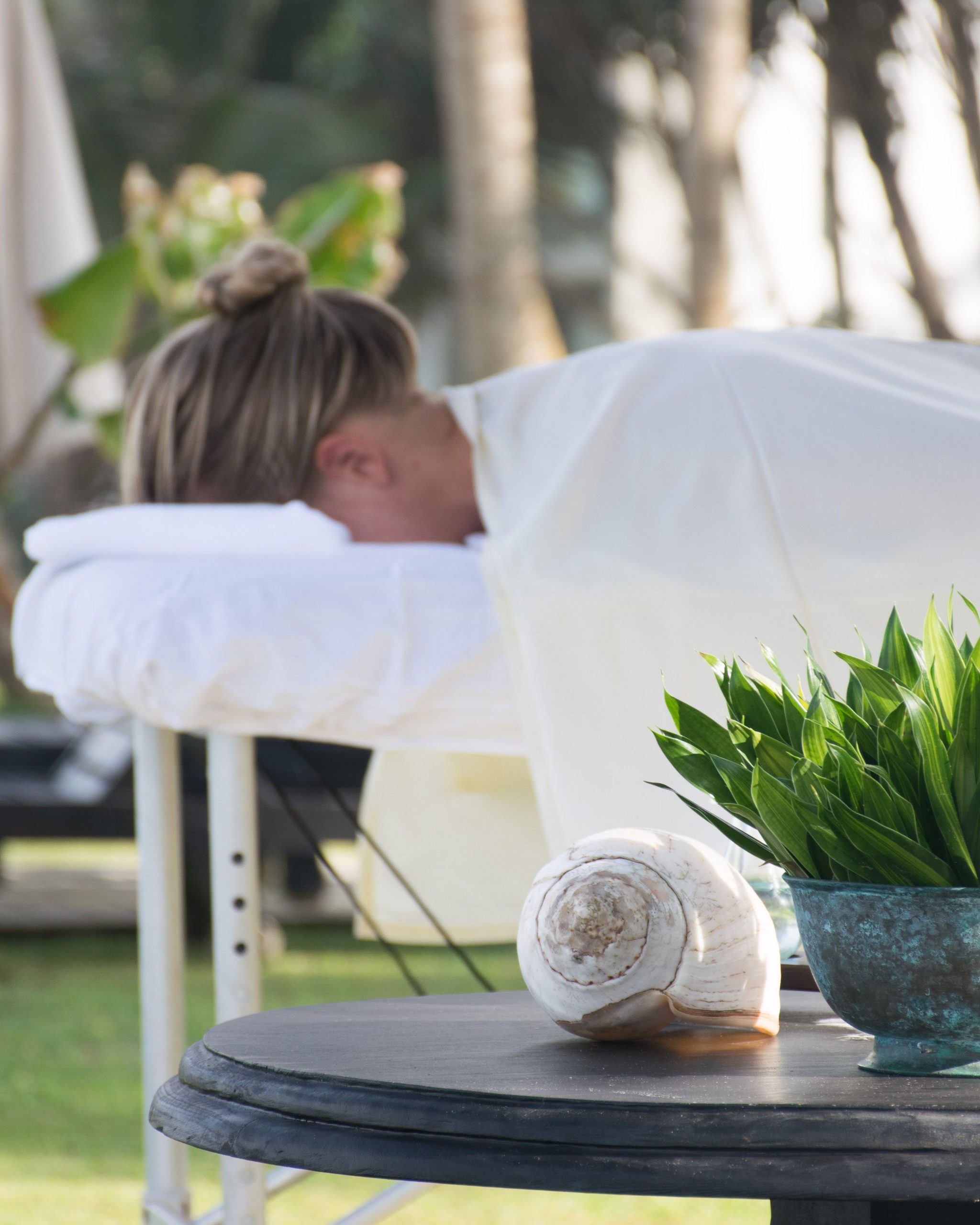
The treatment environment itself plays an essential role in maximizing relaxation and comfort during your massage journey. Anthony’s practice maintains a private setting dedicated exclusively to each client—to uphold strict standards of cleanliness and privacy. The rooms are designed with calming décor: soft lighting, comfortable tables draped with clean linens, soothing music in the background—and perhaps even gentle aromatherapy if preferred—creating an ambiance conducive to deep relaxation.
All equipment used is sanitized thoroughly between sessions according to health standards. Towels and linens are fresh for every client; hygiene is prioritized at every step because it directly impacts both safety and comfort during your visit.
Prioritizing privacy ensures that each person feels secure enough to unwind fully—from disrobing if necessary (with drapes used appropriately) through undisturbed post-massage rest periods if desired. Therapists maintain professional boundaries while fostering an atmosphere where clients feel valued and cared for throughout their entire experience.
For those new to massage therapy or unfamiliar with how long treatments typically last post-pandemic considerations have become relevant too; many clients want assurance they’re receiving quality care within reasonable guidelines regarding health protocols designed by Anthony’s team ensures all safety measures are followed meticulously—making every visit reassuring from start to finish.
If adjustments need making—for example: requesting specific techniques or focusing more intensely on certain areas—you can communicate these preferences when booking or upon arrival during check-in. The therapist’s goal is always tailored care aligned with individual needs; therefore transparency enhances effectiveness and satisfaction.
After completing your session—the actual massage—you might feel deeply relaxed physically but also curious about next steps moving forward? That’s entirely normal! The staff at Anthony’s practice often offers suggestions such as scheduling follow-up appointments if ongoing issues persist—or simple self-care tips like drinking plenty of water afterward helps flush out toxins released during treatment.
In summary: understanding pricing structures involves recognizing value—not just in monetary terms but also in personal well-being gained through longer sessions tailored specifically for deeper relief; securing appointments involves straightforward steps supported by clear communication; maintaining a pristine environment promotes trustworthiness—and all these elements combine seamlessly within Anthony’s commitment toward providing exceptional therapeutic experiences rooted in professionalism and genuine care.
When investing in yourself through a 90-minute massage at $120 per session—with appropriate deposits secured ahead—you’re making a choice that prioritizes holistic healing over quick fixes alone. You’re choosing an experience crafted meticulously within private settings designed expressly for comfort—and working closely with skilled therapists dedicated not only to relieving physical tension but also enhancing overall wellness.
Ultimately, scheduling your appointment should feel effortless rather than stressful—a step toward better health becoming part of your routine rather than an obstacle standing between you now and feeling renewed tomorrow. With transparent pricing policies aligned with high standards of cleanliness and professionalism—and accessible booking options—you can confidently embark on this journey toward relaxation knowing everything has been thoughtfully arranged behind-the-scenes so that nothing detracts from what truly matters: experiencing profound relief within a safe space tailored just for you.